Explore preschool worksheets, nursery worksheets, LKG & UKG worksheets for math, English, tracing, phonics, colouring, matching, counting and more.


Preschool Worksheets for Kids | Nursery, LKG & UKG
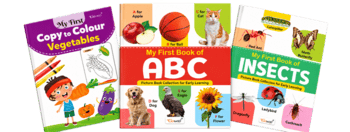
Physical Worksheet
Buy high-quality physical worksheets and activity books for your child's learning at home.
Choose a Worksheet Category
Explore fun and educational activities for your child.

Preschool Worksheets for Kids: Nursery, LKG & UKG Math, English, Tracing & Activity Sheets
Make early learning more engaging with preschool worksheets, nursery worksheets, LKG worksheets, UKG worksheets and activity sheets for kids designed around practice, observation, thinking, language, maths and creativity. Study100on100 Practice Worksheets brings together preschool activity sheets, nursery activity sheets, math worksheets, English worksheets, tracing worksheets, alphabet worksheets, phonics worksheets, colouring worksheets, matching worksheets, counting worksheets, addition worksheets, subtraction worksheets, pattern activities, good-habit worksheets and more within one connected learning experience. Children can practise concepts through tracing, colouring, matching, counting, finding, comparing, reading, writing and problem-solving activities, while parents can choose worksheets by skill, category and sub-category according to the child's current learning needs.
Preschool Worksheets and Activity Sheets for Early Learning Practice
Preschool worksheets give young children an opportunity to practise early concepts in a simple and structured format. At this stage, worksheets are most useful when they do more than ask children to repeatedly write or memorise information. Good preschool activity sheets can combine pictures, colours, tracing, matching, counting, observation and simple problem-solving so that children engage with the concept in different ways. Study100on100 includes different types of preschool learning sheets that children can use for early literacy, numeracy, visual recognition, fine-motor practice and general concept learning. A child may trace a line or alphabet on one worksheet, count objects on another, match pictures, identify patterns, colour familiar animals or recognise beginning sounds through phonics practice. Parents searching for preschool worksheets, preschool sheets, preschool learning sheets or preschool activity sheets are often looking for one thing: useful practice that is appropriate for young learners without turning every activity into a formal school lesson. The worksheet experience can therefore support children in moving gradually from seeing and recognising a concept to practising it independently.
For younger learners, this might mean:
looking → matching → tracing → identifying → choosing → completing
As children become more confident, worksheets can include more structured reading, writing, maths and reasoning activities.
Nursery Worksheets and Pre-Nursery Activity Sheets for Early Learning
Parents frequently search for worksheets for nursery class, nursery activity sheets, pre-nursery worksheets, pre-nursery activity sheets and practice sheets for nursery because early learning at this stage needs to balance play with gentle structured practice. Nursery worksheets can introduce children to familiar concepts through pictures and simple activities rather than large amounts of written work. Children may recognise colours, animals, foods, transport, body parts or everyday objects, trace basic lines and alphabets, count small groups of objects, match related pictures or identify differences and similarities. Study100on100 brings these kinds of nursery worksheets into one searchable worksheet library. Parents can choose areas such as Colouring, Tracing Practice, Counting, Matching, Alphabets, Good Habits, Food, Body & Health, Reading & Language and more. For children in the pre-nursery and nursery stage, the aim is not to rush into difficult academic work. Instead, nursery activity sheets can support familiarity with shapes, letters, numbers, pictures, objects and simple instructions. A good worksheet for nursery class should be easy to understand visually, contain age-appropriate tasks and encourage children to observe before responding. This is also where pre-primary activity sheets and worksheets for pre-primary searches naturally connect with the same broader early-learning intent. Parents want learning resources that prepare children for more structured schooling while still respecting their developmental stage.
LKG Worksheets and UKG Worksheets for Pre-School Readiness
As children progress into LKG and UKG, parents often look for more structured LKG worksheets and UKG worksheets covering language, maths, writing and school-readiness concepts. Study100on100 Practice Worksheets can help children revisit what they are learning through short, focused activities across multiple categories. LKG worksheets may include alphabet recognition, tracing, number activities, matching, basic maths, pattern recognition, phonics and simple language practice. As children progress, UKG worksheets can provide additional opportunities to practise reading, writing, numeracy, comparison, patterns, time-related concepts, and other school-readiness skills. Organising worksheets by category means parents don't have to download or search through unrelated files every time a child needs practice. A parent looking specifically for an LKG maths worksheet, an LKG English worksheet, a UKG maths worksheet or a UKG English worksheet can move directly towards the relevant learning category. The same page can therefore serve children at different stages without treating preschool, nursery, LKG and UKG as identical learning levels. Children progress at different speeds, so the best worksheet is not always determined only by age or class. Parents can select activities according to the skill the child is currently practising.
Preschool Math Worksheets, Nursery Maths Worksheets, LKG Maths & UKG Maths Worksheets
Maths is one of the strongest worksheet search areas, and the Study100on100 library already includes categories that naturally support early numeracy such as Addition Fun, Comparisons, Counting, Subtraction Fun, Symmetry, Calendar & Time, Patterns and Math. For younger children, preschool math worksheets and math worksheets for preschool can begin with very simple activities. Children might count objects, match quantities, compare groups, identify simple shapes or complete visual patterns. Parents searching for preschool math printables or numeracy worksheets for preschoolers are often looking for repeated practice that makes numbers visible and meaningful rather than abstract. A worksheet showing five apples, for example, gives the child something concrete to count instead of only displaying the numeral 5.
As children move into nursery, nursery maths worksheets and nursery mathematics worksheets can extend this practice through number recognition, counting, comparing and basic visual arithmetic. For older preschool learners, math worksheets for LKG and LKG maths worksheets can introduce more structured number practice, while UKG maths worksheets and math worksheets UKG can help children apply basic numeracy more independently. The goal is not simply to complete a sheet. Early maths worksheets can help children understand quantity, order, comparison, patterns and number relationships through repeated visual practice.
Addition Worksheets, Subtraction Worksheets, Counting and Comparison Practice
Addition worksheets and subtraction worksheets are among the most frequently searched maths practice resources for young learners. These activities become more meaningful when children can first understand what addition and subtraction represent.
A child can begin addition by combining visible groups:
2 objects + 1 object = 3 objects
Similarly, you can introduce subtraction by removing objects from a visible group.
Study100on100's Addition Fun and Subtraction Fun worksheet categories can reinforce these ideas through structured practice.
Parents searching for simple addition worksheets, basic addition worksheets, math addition worksheets, addition practice worksheets or single-digit addition worksheets are generally looking for age-appropriate ways to strengthen number confidence. The same principle applies to subtraction worksheets. Early subtraction should start with concrete quantities and then progress to numerical representation as the child becomes comfortable. Counting worksheets provide another essential foundation because children need to understand quantity before arithmetic becomes meaningful. Counting objects, matching numbers with quantities and identifying what comes before or after can all strengthen early numeracy. Study100on100 also includes Comparisons, which can support activities involving ideas such as more, less, greater and smaller. Where appropriate, greater than/less than worksheets can help children visually compare quantities rather than memorising mathematical symbols without understanding them. Together, counting worksheets, addition worksheets, subtraction worksheets and comparison worksheets create a natural early-maths progression.
Pattern Worksheets, Symmetry Worksheets, Calendar & Time and Early Maths Thinking
Early maths is broader than numbers and arithmetic.
Pattern worksheets encourage children to notice sequences and predict what comes next. A child may observe a repeating colour, shape or picture sequence and identify the missing element. This type of activity supports logical observation and pattern recognition. Symmetry worksheets help children notice how shapes and pictures can be divided into matching halves. For young learners, this can begin visually through pictures before becoming a more formal mathematical concept. Calendar and time activities can introduce children to familiar concepts such as days, dates, routines and simple time language. These everyday concepts are easier to understand when children can connect them with experiences such as waking up, going to school, eating lunch or going to sleep. This is why the Practice Worksheets feature includes Calendar & Time, alongside broader Math, Counting, Addition, Subtraction and Patterns categories. These activities contribute to early numeracy and mathematical thinking, not just written calculation.
English Worksheets for Preschool, Nursery, LKG and UKG
Language practice represents another major search opportunity.
Parents frequently look for preschool English worksheets, English nursery worksheets, nursery worksheets English, LKG English worksheets, UKG English worksheet and English worksheets UKG when children are building early language and literacy skills. English worksheets for younger learners can begin with picture recognition, alphabet activities, letter-sound awareness and simple matching tasks. As children develop stronger literacy skills, worksheets can gradually introduce tracing, phonics, vocabulary, words, reading and simple language activities. Study100on100's Reading & Language, Alphabets and Jolly Phonics categories connect naturally with this learning journey.
A child may begin by recognising the alphabet, matching a letter to a picture, identifying a beginning sound or tracing a letter. Later, the same child may work with words, simple reading or language activities. The purpose of English worksheets for kids should not be to overload children with grammar rules at an early age. Instead, worksheets can help strengthen letter recognition, vocabulary, sound awareness, reading readiness and written expression step by step.
Alphabet Worksheets, Letter Tracing Worksheets and Handwriting Practice
Learning to recognise and form letters is an important early literacy skill, which is why alphabet worksheets, alphabet tracing worksheets and letter tracing worksheets are widely used in preschool and kindergarten learning. Children may begin with simple tracing lines worksheets before tracing actual letters. Straight lines, curves, waves and simple patterns can help young learners become more comfortable controlling a pencil. Once children are ready, alphabet tracing sheets, alphabet tracing pages, traceable alphabet activities and A-to-Z worksheets can give repeated practice with letter formation. A child might first trace a dotted letter, then copy the same letter independently and eventually recognise that letter inside a word. Study100on100's Tracing Practice and Alphabets categories make this progression easier to integrate into the broader worksheet experience. Parents looking for handwriting practice, handwriting practice sheets, handwriting worksheets or writing practice worksheets can use age-appropriate tracing and letter-formation activities to support early writing. The focus at this stage should be familiarity, control and correct basic formation rather than speed. Preschool tracing worksheets and alphabet worksheets for nursery can therefore be used as stepping stones between fine-motor preparation and actual writing.
Phonics Worksheets, Beginning Sounds Worksheets and Jolly Phonics Practice
Phonics worksheets give children another way to practise what they learn through sound-based phonics activities.
Study100on100 includes a dedicated Jolly Phonics category within Practice Worksheets, allowing children to reinforce phonics sounds, letter sounds, beginning sounds, vowels and early word recognition through worksheet-based activities. Parents searching for phonics worksheets, phonics sheets, phonics sounds worksheets, phonics activity sheets or phonics printables are generally looking for additional practice after a child has been introduced to phonics concepts. A beginning sounds worksheet might ask children to identify which picture begins with a particular sound. A vowel worksheet may help children recognise vowels inside simple words. Vowels and consonants worksheets can encourage children to distinguish between the two types of letters. Other useful searches such as starting sound worksheet, phonetic sounds worksheets, phonics and sounds worksheets, circle the vowel worksheet and vowel activity sheets all reflect the same broader parent intent: helping children revisit sound-based literacy through structured practice. These worksheet activities should complement—not replace—the full Study100on100 Phonics learning journey. Parents who need deeper instruction in Jolly Phonics sounds, blending words, CVC words, vowel sounds, digraphs and early reading can continue through the dedicated Phonics programme.
CVC Word Worksheets, Sight Word Practice and Early Reading Worksheets
Once children begin connecting letter sounds with complete words, worksheet practice can support early reading in different ways.
Consonant-vowel-consonant worksheets and CVC words for kindergarten worksheets allow children to work with simple words such as cat, pin, dog and sun. Activities may involve matching pictures with words, completing missing letters, identifying vowels or recognising word patterns. This worksheet's intent is different from the broader CVC learning experience itself. Study100on100's dedicated CVC & Word Play feature can help children explore CVC words, CVC words with pictures, word building and word formation, while Practice Worksheets can provide additional written reinforcement. Sight word practice worksheets can also support early reading when children begin recognising frequently encountered words alongside phonics decoding. Reading worksheets should gradually move children from individual letters and sounds towards complete words and simple meaning-based activities rather than treating reading as repetitive copying.
Matching Worksheets for Preschoolers and Nursery Kids
Matching worksheets for preschoolers are simple but powerful early-learning activities because children must observe two or more pieces of information and decide which ones belong together. A child may match a picture with its identical picture, an object with its shadow, a number with a quantity, a letter with a picture or an animal with its home. Study100on100 includes a dedicated Matching category, allowing children to practise visual recognition and logical association. Parents searching for match worksheet for nursery, matching worksheet for nursery, preschool matching worksheets, pre-K matching worksheets or matching pages for preschoolers are generally looking for activities that combine learning with simple thinking tasks. Matching can also work across different subject areas.
Children can match:
Alphabet letters with pictures, numbers with objects, foods with categories, animals with habitats or words with pictures.
This makes matching worksheets useful for language, maths, observation and general knowledge practice.
I Spy Worksheets, Finding Games and Observation Activities for Kids
Study100on100 also includes Finding Game and I Am a Spy category.
These online activities encourage children to look carefully, search for visual information and identify specific objects or patterns. An I Spy worksheet may ask a child to locate particular objects among several pictures. Finding activities can involve counting the target objects, circling them or differentiating them from similar-looking pictures. These kinds of tasks can support observation, attention, visual discrimination and perceptual skills while still feeling playful. For younger children, a simple finding activity might involve identifying one familiar animal or object. For older children, the visual field can contain more items or require more careful comparison. This is another reason Practice Worksheets should not be positioned only as academic worksheets. Some worksheet categories strengthen thinking and observation skills through puzzles and visual-search activities rather than conventional writing exercises.
Colouring Worksheets for Preschoolers and Kids
Colouring worksheets for preschoolers combine creativity with concept recognition. A child may colour an animal, fruit, vegetable, transport vehicle, flower, shape or other familiar object while also learning or revisiting what that picture represents. Parents may search using either British or American spelling, so both colouring worksheets for preschoolers and colouring worksheets for preschool are relevant natural language variants. Other useful worksheets include preschool colouring worksheets, colouring worksheets for nursery, colouring worksheets for kindergarten and colouring worksheets for playgroup. Colouring is not simply a decorative activity for young children. It can also involve observation, fine-motor control, colour recognition and concept familiarity. A domestic-animal colouring activity, for example, can lead to conversation about the animal's name, sound, body features or where it lives.
Animal, Food, Transport, Body & Health and Everyday Concept Worksheets
Young children often learn best when concepts are linked to familiar objects and experiences. Study100on100 includes worksheet categories around Food, Transport, Body & Health, as well as visual learning themes such as Sun, Sky, Moon, Star and Cloud. Animal-related worksheet content also appears within the library, including the default Domestic Animals colouring experience. Parents may search for specific resources such as domestic animals worksheet for LKG, domestic animals worksheet for UKG, pet animals worksheet for LKG or wild animals and domestic animals worksheet. These narrower worksheet searches can be supported through category and sub-category pages, while the main Practice Worksheets page can introduce the wider concept. Food worksheets can help children identify familiar fruits, vegetables or meals. Transport worksheets can reinforce recognition of vehicles and travel concepts. Body & Health activities can introduce basic body awareness, healthy routines or self-care concepts. These are examples of how worksheets can support general knowledge and everyday learning alongside maths and language.
Good Habits Worksheets for Kids and Everyday Life Skills Practice
Early learning is not limited to alphabets and numbers. Study100on100 includes Good Habits as a worksheet category, creating opportunities for children to recognise everyday behaviours such as cleanliness, kindness, sharing, healthy routines and responsible actions. A good-habits worksheet can use pictures and simple choices rather than long written explanations. For example, children might identify which picture shows washing hands, keeping toys organised or helping others. This type of visual practice can help parents begin conversations around everyday routines and positive behaviour. Because Study100on100 already addresses values and habits elsewhere in the platform, worksheets can act as a practice format that helps children revisit those ideas in a simple visual way.
Worksheets for Toddlers from 3-Year-Olds
Parents often search by age rather than subject such as worksheets for 3-year-olds, worksheets for 4-year-olds, worksheets for 5-year-olds, worksheets for 6-year-olds, worksheets for 7-year-olds, worksheets for 8-year-olds, worksheets for preschoolers, kindergarten worksheets, junior kindergarten worksheets, senior kindergarten worksheets, worksheet for Jr KG, worksheet for Sr KG and KG worksheets all reflect the same need: finding practice activities suitable for the child's current stage. Age and class labels are useful guides, but they should not become rigid learning limits. Two children of the same age may be ready for different tasks. One three-year-old may enjoy simple colouring and matching, while another may already be comfortable tracing the alphabet or counting small groups. A kindergarten learner may need additional letter-recognition practice while another child may be ready for basic addition or reading. This is where a worksheet library with multiple categories becomes more useful than a fixed workbook. Parents can choose according to the skill the child needs rather than relying only on an age label.
Printable Worksheets for Kids and Practice at Home
Many parents search for printable worksheets for kids, printable preschool worksheets, printable kindergarten worksheets and preschool math printables because paper-based practice can complement digital learning. Where printing is available, worksheets can give children an opportunity to trace, write, colour, circle, match and draw directly on paper. This can be particularly useful for activities involving fine-motor practice and handwriting. Parents can also combine worksheets with simple conversation. A counting worksheet can become an opportunity to count real objects around the house. An animal worksheet can lead to questions about animal names and sounds. An alphabet worksheet can be followed by finding household objects that begin with the same letter. The worksheet therefore becomes a starting point for learning rather than the entire activity. For PDF worksheets, the wording on the live page should only be used if the site genuinely allows PDF download. If download is supported, searches such as preschool worksheets PDF, worksheet for nursery PDF, kindergarten worksheets PDF and preschool activity sheets PDF can be targeted strongly. If worksheets are available to print but not download as PDFs, we should use printable worksheets and avoid making unsupported PDF claims.
Free Worksheets for Kids – Start Learning with Selected Worksheets at No Cost
Give your child an easy way to begin practising with free worksheets for kids across selected early-learning topics. Study100on100 offers selected worksheet activities that children can explore before moving into the wider Practice Worksheets library, covering areas such as early maths, English, alphabet, phonics, tracing, colouring, matching and other preschool learning skills. These free learning activities give children an opportunity to experience the Study100on100 worksheet format, practise important concepts and build confidence through short, age-appropriate activities. Parents can start with the available free worksheets and then explore a much wider collection of preschool worksheets, nursery worksheets, LKG worksheets, UKG worksheets, phonics worksheets, maths worksheets, English worksheets and other practice activities as their child’s learning needs grow.
Choose Worksheets by Skills, Category and Learning Need
One of the strengths of the Practice Worksheets experience is that kids are not forced into one fixed worksheet sequence. The page allows users to explore by skills, category and sub-category.
The skill filter includes areas such as:
Cognitive & Problem Solving, Fine Motor, Gross Motor, Language & Literacy, Communication, Attention & Executive Skills, Social Development, Emotional & Self-Regulation, Sensory & Perceptual Development, and Self-Care & Independence. This means a parent can look beyond only the academic label of the worksheet and consider what broader skill the activity may support.
The category library includes:
Colouring, Tracing Practice, Addition Fun, Comparisons, Counting, Finding Game, I Am a Spy, Matching, Subtraction Fun, Sun/Sky/Moon/Star/Cloud, Transports, Alphabets, Good Habits, Symmetry, Calendar & Time, Reading & Language, Patterns, Body & Health, Math, Food and Jolly Phonics.
Rather than searching across many unrelated sites for preschool worksheets, nursery worksheets, LKG worksheets, UKG worksheets, math worksheets, English worksheets, tracing worksheets or phonics worksheets, parents can explore different practice formats within the same MiniMinds learning environment.
Why Practice Worksheets Work Best Alongside Active Learning
Worksheets can be useful, but they should not become the only way young children learn. Children also benefit from speaking, listening, moving, creating, observing and interacting with real objects. A worksheet about animals becomes richer when a parent talks about the animals with the child. A number worksheet becomes more meaningful when children count real objects. A tracing worksheet becomes more useful when combined with drawing and fine-motor play. Study100on100 therefore places Practice Worksheets alongside other MiniMinds experiences such as Jolly Phonics, CVC & Word Play, DIY activities, images and videos, rhymes, AI English learning and creativity activities. The worksheet provides structured practice; the other experiences give children different ways to explore the same wider learning world.
Start Learning with Preschool Worksheets, Nursery Worksheets, LKG & UKG Practice Sheets
Give your child more opportunities to practise early concepts through preschool worksheets, nursery activity sheets, LKG worksheets, UKG worksheets, math worksheets, English worksheets, tracing worksheets, alphabet worksheets, phonics worksheets, matching activities and colouring worksheets. Choose worksheets according to the child's learning stage, skill and topic. Practise letters, numbers, sounds, counting, patterns, observation, reading, writing and everyday concepts through simple, structured activities.
Study100on100 Practice Worksheets brings different types of early-learning practice together so parents can spend less time searching for separate resources and more time helping children learn.
Frequently Asked Questions About Worksheets for Kids
What are preschool worksheets?
Preschool worksheets are age-appropriate learning sheets designed to help young children practise early concepts such as alphabets, numbers, tracing, matching, colouring, counting, patterns and basic language or maths skills. The most useful preschool worksheets combine simple instructions with visual, interactive activities rather than expecting young children to complete large amounts of writing.
What are preschool activity sheets?
Preschool activity sheets are worksheet-style learning activities that may include tracing, matching, counting, finding, colouring, pattern recognition, alphabet activities or picture-based learning. They give children opportunities to practise a concept through a structured visual task.
What worksheets are suitable for nursery children?
A worksheet for nursery class should usually contain simple, highly visual activities such as colouring, tracing basic lines, recognising the alphabet, matching pictures, counting small groups, identifying familiar objects and practising simple concepts. Study100on100 includes multiple categories that can be selected according to the child's readiness.
What is a pre-nursery worksheet?
A pre-nursery worksheet is a simple early-learning activity sheet intended for children beginning structured learning. Activities may involve picture recognition, colouring, matching, basic tracing, simple shapes, animals, foods, colours and other familiar concepts.
What are the best LKG worksheets for practice?
Useful LKG worksheets can include alphabet and English activities, tracing and writing practice, counting, basic maths, patterns, comparison, phonics, matching and concept-based visual activities. The appropriate worksheet depends on the child's current learning need rather than the class label alone.
What types of UKG worksheets are useful?
UKG worksheets can support English, maths, reading, writing, number practice, patterns, comparison, phonics and school-readiness concepts. As children progress, worksheets can include more independent reading, writing and problem-solving while remaining visually clear.
What are preschool math worksheets in MiniMinds?
Preschool math worksheets introduce early numeracy through activities such as counting, number recognition, matching quantities, comparing groups, simple patterns and visual problem-solving. They are most effective when children can connect the numbers on the page with real quantities and objects.
What are nursery maths worksheets in MiniMinds?
Nursery maths worksheets can include number recognition, counting, matching numbers with quantities, simple comparison and visual numeracy activities. They help children become familiar with numbers before moving into more formal arithmetic.
What are LKG maths worksheets in MiniMinds?
LKG maths worksheets can include counting, number sequencing, simple addition, subtraction, comparisons and patterns. Activities should progress according to the child's numeracy readiness.
What are UKG maths worksheets?
UKG maths worksheets generally provide more structured number practice, addition, subtraction, comparison, patterns, time-related concepts and other early maths skills.
What are subtraction worksheets for Kids in MiniMinds?
Subtraction worksheets give children structured practice with taking away quantities and finding how many remain. Young learners often understand subtraction more easily when pictures or objects are used before purely numerical equations.
What are addition worksheets for kids?
Addition worksheets help children practise combining quantities. Early addition worksheets can use pictures and objects before progressing towards written number sentences.
What are alphabet tracing worksheets?
Alphabet tracing worksheets allow children to follow dotted or guided letter shapes to practise letter formation. They can help connect alphabet recognition with early handwriting practice.
What is handwriting practice for preschoolers?
Early handwriting practice can begin with line tracing, curves, patterns and simple letter formation before children are expected to independently write words or sentences. The focus should be on comfortable pencil control and familiarity with letter shapes.
What are phonics worksheets?
Phonics worksheets reinforce sound-based learning through activities involving letter sounds, beginning sounds, vowels, consonants, pictures and simple words. They work best as additional practice alongside active phonics instruction.
What are beginning sounds worksheets?
Beginning sounds worksheets ask children to identify the first sound they hear in a word. For example, children may match the letter B with a picture of a ball or identify which picture begins with the /s/ sound.
What are CVC word worksheets?
CVC word worksheets focus on consonant-vowel-consonant words such as cat, pin, dog and sun. Online Activities may include picture-word matching, missing-letter practice, identifying vowels or reading simple CVC words.
What are matching worksheets for preschoolers?
Matching worksheets for preschoolers ask children to identify related items, such as matching identical pictures, numbers and quantities, alphabet letters and pictures or objects belonging to the same category. These activities can support visual recognition and logical association.
What are colouring worksheets for preschoolers?
Colouring worksheets for preschoolers combine simple colouring with concept recognition. Children may colour animals, fruits, vegetables, transport, shapes or other familiar pictures while revisiting vocabulary and visual concepts.
Are worksheets available for 3-year-olds?
Yes. Worksheets for 3-year-olds should focus on simple, visual activities such as colouring, matching, tracing basic lines, recognising familiar objects, alphabet letters, and numbers according to the child's readiness.
Are these worksheets printable?
If printing is enabled on the worksheet, parents can use printable worksheets for paper-based tracing, colouring, writing and practice. The final website copy should state this only for worksheet formats that genuinely support printing.
Can I Download or Print Worksheets for My Child?
Study100on100 Practice Worksheets are designed to make learning easy to continue at home. Children can practise activities such as tracing, colouring, matching, alphabets, phonics, counting, maths and English in a simple, child-friendly format. Where a worksheet includes a download or print option, parents can use it for additional offline practice, helping children strengthen concepts through writing, colouring and hands-on activity away from the screen.
Are There Free Worksheets for Kids on Study100on100?
Yes. Study100on100 gives children access to selected free worksheets and learning activities so kids can start exploring the Practice Worksheets experience without immediately committing to full access. Children can begin with available free activities and practise early-learning concepts through preschool worksheets, phonics worksheets, alphabet activities, tracing, colouring, matching, maths and English practice. Children can then explore the wider worksheet library as their child progresses and needs more variety and practice.
How should parents use worksheets at home?
Choose a short activity that matches the child's current skill, sit with the child when needed and discuss the concept rather than focusing only on completing the page. A worksheet can become much more meaningful when it is connected with conversation, objects, stories, play or everyday examples.